Essential Music Production Tips for Bedroom Producers
- abradshaw93
- Jul 24
- 4 min read
Creating music from the comfort of your bedroom has never been more accessible. With the right tools and knowledge, anyone can produce high-quality tracks that rival those made in professional studios. This blog post will guide you through essential music production tips tailored specifically for bedroom producers. Whether you're just starting or looking to refine your skills, these insights will help you elevate your music production game.
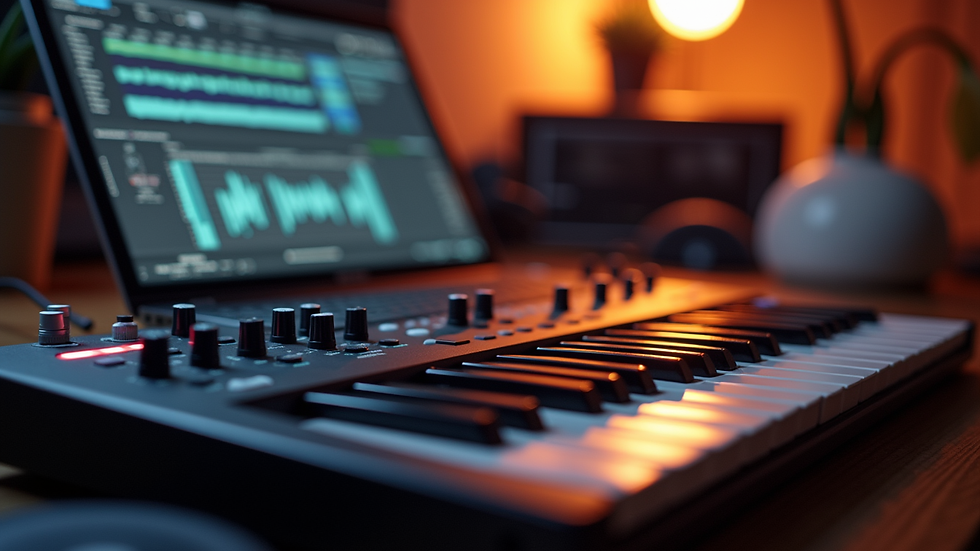
Understanding Your Equipment
Choose the Right DAW
Your Digital Audio Workstation (DAW) is the heart of your music production setup. There are many options available, each with its strengths. Here are a few popular choices:
Ableton Live: Great for electronic music and live performances.
FL Studio: Known for its user-friendly interface and powerful features.
Logic Pro X: A favorite among Mac users, offering a wide range of virtual instruments and effects.
When selecting a DAW, consider your music style and workflow preferences. Most DAWs offer trial versions, so take advantage of these to find the one that suits you best.
Invest in Quality Audio Interface
An audio interface is crucial for recording and playback. It converts analog signals into digital data, ensuring high-quality sound. Look for an interface with:
Low latency: This minimizes the delay between input and output, essential for recording.
Multiple inputs: If you plan to record instruments or vocals, having multiple inputs is beneficial.
Good preamps: Quality preamps enhance the sound of your recordings.
Optimize Your Workspace
Creating a conducive environment for music production is vital. Here are some tips to optimize your workspace:
Acoustic Treatment: Use foam panels or bass traps to reduce unwanted reflections and improve sound quality.
Ergonomics: Ensure your setup is comfortable. Your chair and desk should support good posture to avoid fatigue during long sessions.
Minimize Distractions: Keep your workspace organized and free from distractions to maintain focus.
Crafting Your Sound
Learn Basic Music Theory
Understanding music theory can significantly enhance your production skills. Here are some fundamental concepts to grasp:
Scales and Chords: Familiarize yourself with major and minor scales, as well as common chord progressions.
Rhythm and Timing: Learn about beats, measures, and how to create compelling rhythms.
Song Structure: Understand common structures like verse-chorus-verse to help organize your tracks.
Experiment with Sound Design
Sound design is about creating unique sounds that define your music. Here are some ways to explore sound design:
Synthesis: Use synthesizers to create new sounds. Experiment with different waveforms, filters, and modulation techniques.
Sampling: Incorporate samples from various sources. This can include field recordings, old vinyl, or royalty-free sample packs.
Effects Processing: Use effects like reverb, delay, and distortion to shape your sounds. Don’t be afraid to experiment with different settings.
Layering Sounds
Layering is a powerful technique that adds depth and richness to your tracks. Here’s how to do it effectively:
Use Different Instruments: Combine various instruments to create a fuller sound. For example, layer a synth pad with a string sample.
Vary the Octaves: Layer sounds in different octaves to create a more dynamic range.
Adjust Panning: Spread your layers across the stereo field to create a sense of space.
Mixing and Mastering
Learn the Basics of Mixing
Mixing is where your track comes to life. Here are some essential mixing tips:
Balance Levels: Ensure each element in your mix is balanced. Use faders to adjust the volume of each track.
EQ: Use equalization to carve out space for each instrument. Cut frequencies that clash and boost those that enhance clarity.
Compression: Apply compression to control dynamics and add punch to your sounds. Be careful not to over-compress, as this can lead to a lifeless mix.
Mastering Your Track
Mastering is the final step in music production, ensuring your track sounds polished and professional. Here are some tips for mastering:
Use Reference Tracks: Compare your track to professionally mastered songs in a similar genre. This helps you identify areas for improvement.
Limiters: Use a limiter to increase the overall loudness of your track without causing distortion.
Check on Different Systems: Listen to your mastered track on various playback systems (headphones, speakers, car) to ensure it translates well everywhere.
Collaborating with Others
Network with Other Musicians
Collaboration can open new doors and inspire creativity. Here are some ways to connect with other musicians:
Online Communities: Join forums or social media groups focused on music production. Share your work and seek feedback.
Local Meetups: Attend local music events or workshops to meet fellow producers and musicians.
Collaborative Projects: Work on projects with other artists. This can lead to fresh ideas and new perspectives.
Share Your Work
Don’t be afraid to share your music. Here are some platforms to consider:
SoundCloud: A popular platform for sharing and discovering new music.
Bandcamp: Great for independent artists to sell their music directly to fans.
YouTube: Create music videos or tutorials to showcase your work and reach a wider audience.
Staying Inspired
Set Goals
Setting clear goals can help you stay focused and motivated. Consider these types of goals:
Short-term Goals: Complete a track within a specific timeframe.
Long-term Goals: Aim to release an EP or album by a certain date.
Skill Development Goals: Learn a new production technique or software feature each month.
Create a Routine
Establishing a regular production routine can enhance your productivity. Here are some tips:
Schedule Time: Dedicate specific times each week for music production.
Limit Distractions: Turn off notifications and create a focused environment during your production sessions.
Take Breaks: Regular breaks can help maintain creativity and prevent burnout.
Seek Inspiration
Inspiration can come from various sources. Here are some ideas to spark your creativity:
Listen to Different Genres: Explore music outside your usual preferences to gain new insights.
Attend Live Shows: Experience live music to reignite your passion for creating.
Collaborate with Different Artists: Working with artists from different genres can inspire fresh ideas.
Conclusion
Producing music in your bedroom is a rewarding journey that requires dedication, creativity, and the right tools. By understanding your equipment, crafting your sound, mastering mixing and mastering techniques, collaborating with others, and staying inspired, you can create tracks that resonate with listeners. Remember, the most important aspect of music production is to enjoy the process. So, get started, experiment, and let your creativity flow!


Comments